
For caregivers in Canada and the United States, the job comes with an endless list of duties and responsibilities. From managing medications to coordinating appointments to hands-on personal care tasks, it can become overwhelming even for the most devoted caregivers. But innovative assistive technologies are providing new ways to make caregivers' lives easier while improving quality of care.
Whether it's elderly parents at home, a child with special needs, or a spouse with a disability, today's connected devices and smart home integrations can streamline daily routines for both caregivers and care recipients across North America. Let's explore some of the most useful, cutting-edge caregiving tech solutions.
Medication Management Made Simple
Keeping track of multiple medications is one of the biggest daily challenges caregivers face. Missed dosages and improper administering are dangerously common. But a new wave of medication management tools takes the hassle and guesswork out of this vital task.
Automatic pill dispensers allow caregivers to easily load up to a month's worth of pre-sorted medication. The device then audibly prompts the care recipient when it's time to take their pills and dispenses the proper dosages—ideal for those with memory issues. Many connect to smartphone apps enabling remote monitoring and refill reminders for the caregiver.
In the U.S. and Canada, pharmacies are using similar technology with adherence packaging that sorts out doses by day and time. Caregivers simply remove and hand the appropriate sealed pack to the care recipient.
Smart pill bottles equipped with caps that track usage patterns can capture missed dosages. Some even lock the bottle and sound alarms if a dose is missed or an excess is attempted to prevent dangerous mistakes.
Fall Detection and Prevention
Among a caregiver's biggest worries is falls, which are the leading cause of injuries for seniors. Innovative wearable devices with built-in accelerometers and gyroscopes can automatically detect falls and alert caregivers or emergency responders. This allows for faster response in situations where the person is unconscious or unable to call for help.
Startups in Canada and the U.S. are developing smart insoles that track a person's gait and issue alerts when irregularities occur that could signal an elevated fall risk. Ambient sensors placed throughout the home can also monitor for fallen individuals.
Beyond detection, there are now smart technologies designed to prevent falls from ever occurring. Intelligent walkway systems use sensors to detect and alert users to trip hazards like misplaced rugs or objects in the path. Caregivers are alerted if vulnerabilities are detected as well.
Voice-Controlled Assistance
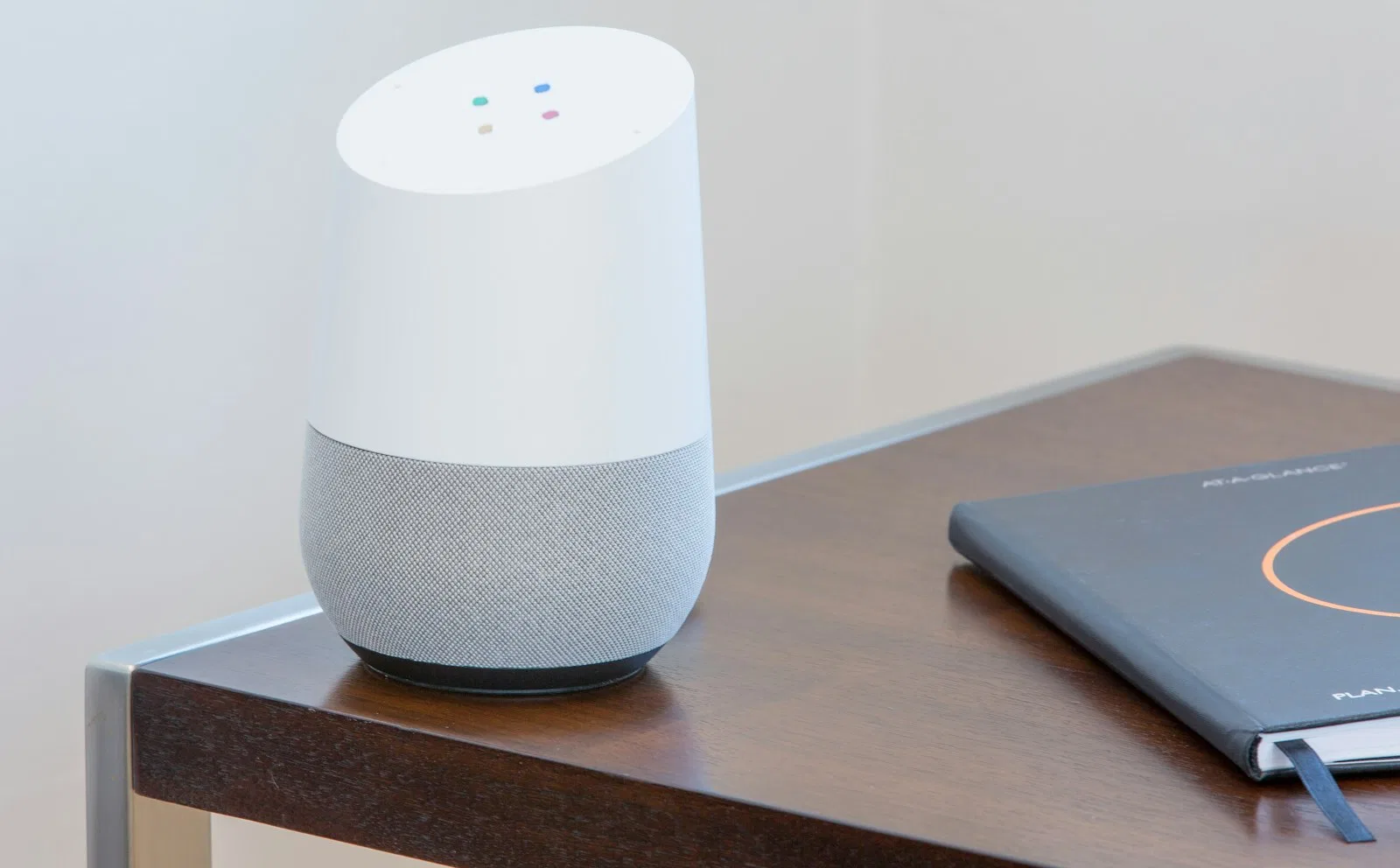
For caregivers, giving voice commands to digital assistants is a hands-free and easy way to accomplish care-related tasks. They can look up medication information, set reminders, create shopping lists, and more by simply using their voice.
For care recipients with mobility limitations, voice assistants allow them to control smart home devices and access the internet, TV, music, and more for an increased sense of independence and entertainment. Certain digital assistant apps even have "caregiving" capabilities where authorized caregivers can remotely check on a loved one or help them accomplish tasks like managing schedules or operating smart home controls.
Care recipients with hearing impairments can leverage voice assistants and smart speakers to amplify sound, display transcripts and closed captioning, and receive visual alerts to noises and visitors.
Smart Home Solutions
The smart home movement has created numerous innovations for those providing care for loved ones living with disabilities, dementia, or aging-related challenges.
Smart locks and garage doors allow caregivers to remotely grant secure access to the home for healthcare providers, family members coordinating care duties, and in emergencies. Smart thermostats enable remote temperature control to maintain safe levels. Video doorbells allow care recipients to easily monitor visitors through their mobile devices.
For dementia patients, smart sensors can detect potential safety issues like appliances left on, room temperature variations, and motion patterns that signal a fall or other dangers. Care providers are alerted through push notifications or even automated calls to take preventative action.
Household robots like the iRobot Roomba take automated vacuuming off caregivers' plates. Smart home systems allow remote monitoring and control of lights, TVs, room sensors and more through a centralized platform. Entire homes can be equipped with smart switches, outlets and fixtures to enable voice control and scheduling based on individual routines.
Apps and Devices for Specific Needs
There are also numerous assistive technologies tailored to specific conditions and disabilities that could aid caregivers and care recipients. For example:
- Automatic meal cutting devices, stabilized plates and cups, and other adaptive utensils can enable independent eating for those with impaired mobility, tremors or weakness.
- Voice-controlled phones and computers allow hands-free communication, web access, and smart home controls.
- Deaf or hard of hearing individuals can receive visual alerts to sounds like ringing phones, smoke alarms, or visitors through smart home sensor integrations. Video calling and real-time transcription apps improve communication.
- Those with visual impairments can navigate with the aid of wearable electronic guides and mobile apps/devices that provide enhanced sensory feedback. Smart glasses provide augmented vision assistance.
- Alzheimer's patients can utilize tracking devices, medication dispensers, chronic pain management apps, and therapeutic games designed to slow cognitive decline.
- Modified gaming controllers and consoles provide engaging recreational therapy for kids and adults with disabilities or special needs.
- Telehealth apps allow virtual doctor visits and remote health monitoring without ever leaving the home.
Many of these technologies connect with caregiver apps and smart home systems to provide oversight, reminders, analytics, and environmental control for a fully integrated care solution.
Setting Up Your Smart Care Ecosystem
So how can a caregiver get started with implementing some of these assistive technologies? Here are some tips:
- Assess your specific care routines and challenges to determine where tech solutions could provide the most value and efficiency. Prioritize the biggest pain points.
- Start small and build up. Perhaps begin with smart speakers and digital assistant integrations before moving into connected medication devices or smart home sensors.
- Don't forget training and familiarizing the care recipient(s) with how to utilize the new technology. Make it a group learning process.
- See if your private insurance or care provider offers discounts on assistive technology solutions. Some are covered by healthcare plans and government assistance programs in the U.S. and Canada.
- For smart home systems, look into professional installation services and training provided through companies like Best Buy Assured Living in the U.S. and major telcos/cable providers in Canada.
- Subscribe to reviews and news sources focused on assistive technology to stay up to date on the latest innovations hitting the market.
While high-tech caregiving solutions can have upfront costs, in the long run they could reduce expenses associated with paid caregiving services, medical bills, and even long-term care facilities. More importantly, they enable improved quality of life and peace of mind for everyone involved in the caregiving journey across both Canada and the United States.