
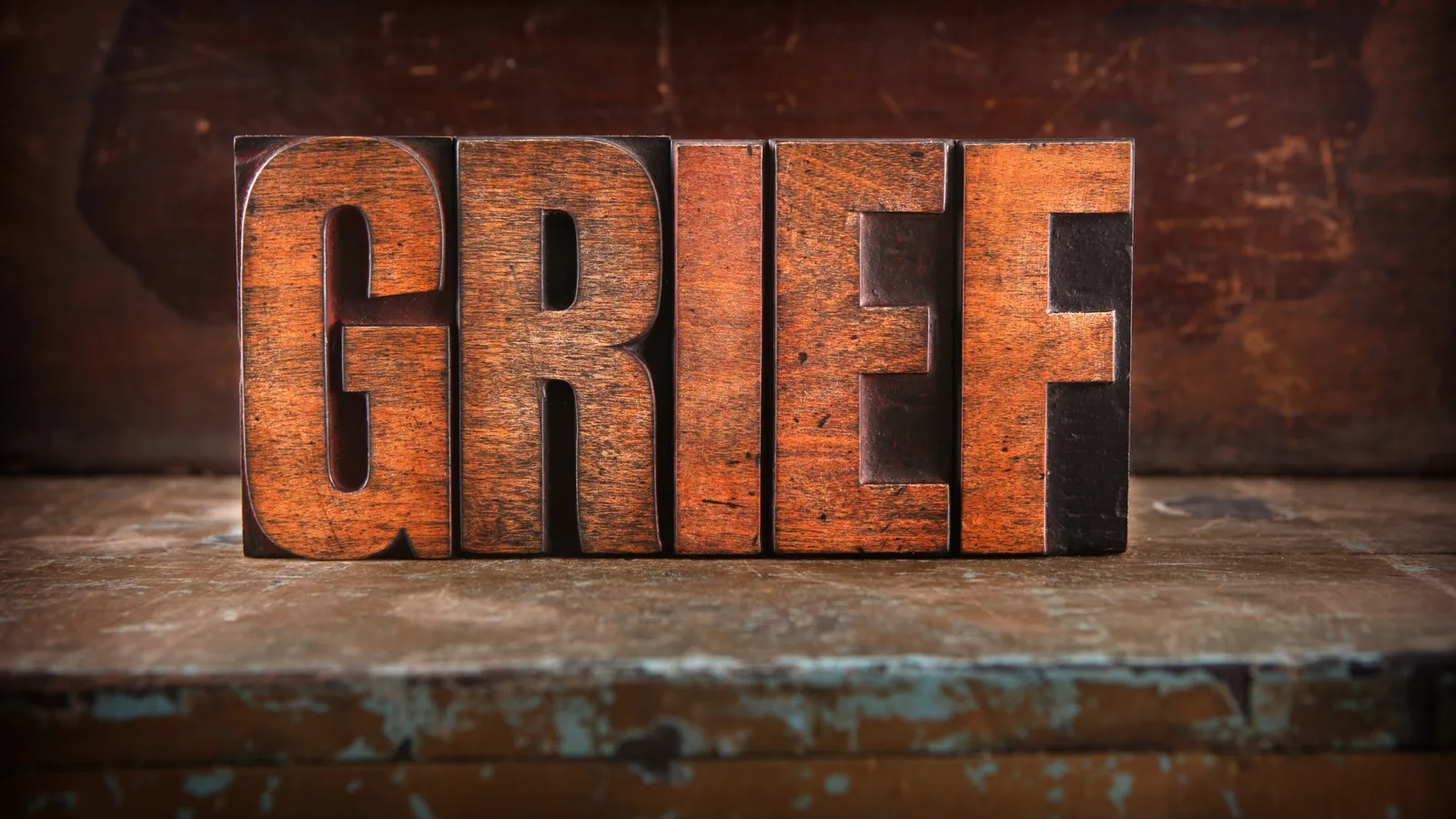
Grief is a deeply personal and individual experience that affects each person differently. When we lose someone we love, the pain and sorrow we feel can be overwhelming, leaving us grappling with a flood of questions about our emotions and the world around us. While there are common stages and patterns of grief, every person's journey is unique—shaped by their relationship with the deceased, the circumstances of the death, and their personal history and coping mechanisms. In this post, we explore the key questions that often arise in grief, examine how different circumstances shape our experiences, and offer strategies for healing and support.
Who Did I Lose?
One of the very first questions that surfaces during grief is, "Who did I lose?"
This question goes far beyond the identity of the deceased. It prompts us to consider:
The Role They Played:
For some, the loss may be that of a spouse or life partner—a constant presence whose absence leaves an enormous void. For others, it might be a parent, sibling, or friend, each carrying its own unique emotional weight.
The Future That Was Lost:
Grief often includes mourning the future you had envisioned together—the milestones, celebrations, and everyday moments that will no longer occur.
For additional insights on processing this type of grief, consider reading resources from the Canadian Virtual Hospice.
How Attached Was I to the Loss?
The depth of attachment to the person who has died can greatly impact both the intensity and duration of grief. Reflect on these aspects:
Emotional Dependence:
If the deceased was your primary source of emotional support, their absence might leave you feeling lost and isolated.
Complex Relationships:
In cases where relationships were complicated—marked by unresolved conflicts or ambivalence—grief may be intertwined with regret or lingering questions.
Dual Emotions:
It’s common to feel a mix of sorrow, relief, and even guilt. This is normal, as our hearts often hold conflicting emotions when processing deep loss.
For support on navigating these mixed feelings, resources like GriefShare Canada or local counseling services can offer guidance.
Was the Death Sudden or Expected?
The circumstances surrounding a death are pivotal in shaping the grieving process:
Sudden and Unexpected Loss:
When death strikes without warning—such as in an accident or acute illness—it can thrust you into a state of shock and disbelief. The abruptness of the loss often leaves little time to prepare emotionally, intensifying feelings of denial and confusion.
Anticipated Loss:
Conversely, a death that comes after a long-term illness might be expected, yet the prolonged period of anticipatory grief can make the eventual loss feel even more profound.
Explore articles on anticipatory grief through Hospice Palliative Care Ontario to better understand how to navigate these emotions.
How Did the Loss Occur?
The manner in which a death occurs can introduce layers of complexity to the grief experience:
Peaceful Passing vs. Traumatic Death:
A peaceful passing, even in the midst of prolonged illness, might bring about a bittersweet relief alongside deep sadness. In contrast, violent or traumatic deaths—such as those resulting from homicide or suicide—often generate intense emotions like anger, guilt, or a sense of injustice.
Impact of Caregiving:
If you were involved in caring for the deceased during their illness, the physical and emotional toll of caregiving can compound your grief, leaving you both exhausted and overwhelmed.
For further reading on caregiving and grief, the Canadian Caregiver Coalition provides valuable insights and resources.
Where Was I When the Loss Occurred?
The physical context in which you encounter a loss can leave lasting impressions:
Direct Experience:
Being present at the time of death or discovering the body can embed vivid, often traumatic, sensory memories—sights, sounds, even smells—that make moving forward more challenging.
Receiving the News:
Alternatively, learning about the death from someone else can create a sense of detachment, making it difficult to fully process the reality of the loss.
Support for processing traumatic memories can be found through organizations like CAMH (Centre for Addiction and Mental Health), which offers resources for trauma-informed care.
What If?
One of the most common and painful aspects of grief is the relentless barrage of "what if" questions:
Self-Blame and Regret:
You might find yourself wondering if you could have done something differently to prevent the death, even when nothing could have been changed. This often leads to feelings of guilt and self-blame.
Loss of Future Moments:
Questions like “What if we had celebrated our anniversaries together?” or “What if I had been there for their birthday?” underscore the void left by the loss and can intensify feelings of sorrow.
Uncertainty About Moving Forward:
The "what ifs" can also pertain to the future—wondering how life will be different, how you will cope, or what new relationships might look like after such a loss.
For techniques to manage these thoughts, consider mindfulness-based therapies and journaling exercises suggested by resources like Insight Timer or local mindfulness groups.
Coping with Unanswered Questions
Grief is riddled with uncertainties, and not every question will find a satisfactory answer. Here are some strategies to help cope with these unresolved questions:
Allow Yourself to Feel
Embrace Emotions:
Accept that grief is not a linear process. It’s okay to feel a mixture of sadness, anger, and confusion. Express these emotions through creative outlets like art, writing, or music.
Journaling:
Writing down your thoughts can help externalize the “what ifs” and provide a structured way to process complex emotions.
Seek Support
Professional Help:
Therapists or grief counselors can offer guidance on how to handle lingering questions and manage the emotional burden. In Canada, services such as Wellness Together Canada provide free mental health support.
Support Groups:
Connecting with others who share similar experiences can normalize your feelings. Consider joining a local or online support group like those found through GriefShare.
Practice Self-Compassion
Give Yourself Time:
Understand that healing is a process. It’s normal for the intensity of your grief to ebb and flow. Be patient and kind to yourself as you navigate this journey.
Mindfulness and Meditation:
These practices can help anchor you in the present moment, reducing the tendency to ruminate over “what if” scenarios. Apps like Headspace and Insight Timer offer guided sessions that many have found helpful.
Additional Perspectives on Grief and Loss
Integrating Loss into Your Identity
As you work through grief, consider how the loss affects your sense of self. Often, the person we lose is intertwined with our identity. Reconstructing your life without them involves integrating their memory into who you are rather than feeling defined by their absence.
Honouring the Memory
Finding meaningful ways to honour the deceased can help shift your focus from the pain of loss to celebrating the life they lived. Memorial rituals, creating photo albums, or even planting a tree in their memory can provide a sense of continuity and comfort.
Embracing Change and Building Resilience
Grief, though painful, can also be a catalyst for growth. Over time, you may discover new strengths and insights about yourself. Embracing change as a natural part of life allows you to build resilience and find a renewed sense of purpose.
Resilience Workshops:
Programs offered by community centers or online platforms like Coursera and edX can provide tools for building emotional resilience.
Self-Help Books:
Books such as "On Grief and Grieving" by Elisabeth Kübler-Ross and David Kessler provide profound insights into the stages of grief and ways to navigate them.
The Journey Through Grief Is Unique
Every question you ask during grief—about who you lost, how attached you were, and the circumstances of the loss—shapes your experience and influences your healing journey. Grief is a complex, non-linear process that defies simple answers. While you may never find complete resolution to every “what if,” embracing your questions can lead to deeper understanding and growth.
Remember, your experience of grief is valid, and seeking help—whether through support groups, professional counseling, or personal reflection—is a vital part of the healing process. By acknowledging the diverse forms and sources of grief, you empower yourself to move forward while honouring the profound impact of your loss.
For additional resources and support, consider exploring:
- Canadian Mental Health Association (CMHA)
- Wellness Together Canada
- GriefShare Canada
- Hospice Palliative Care Ontario
May your journey through grief be one of gradual healing, self-discovery, and ultimately, hope. Embrace the questions, honour your emotions, and know that you are not alone.
This post is intended to provide insights into the many dimensions of grief. For personalized advice and support, please consider consulting a mental health professional or a grief counselor.